
For centuries, Fishtown has been home to a thriving working class community that’s transcended even the most aggressive powers of deindustrialization. That has led to a unique architectural landscape in recent years as new developments have gone up to provide housing alongside brick rowhomes from the early 20th century and old factory spaces turned restaurants, art galleries, and more.
In one of these old warehouses sits the headquarters of a coffee shop that has grown from a solo store in Rittenhouse Square to a behemoth that spans the country (and even operates a few stores in South Korea).
La Colombe Coffee Roasters may or may not be a brand you’re familiar with, but it’s hard to deny that it’s a major success story of third-wave coffee, given that it was acquired by Chobani for $900 million.
But what feels good about La Colombe?
Success is great for business leaders and owners, but it doesn’t necessarily mean that the brand creates the warm, fuzzy feelings that make people enjoy their customer journey the way you might at Dead King Bread.
However, La Colombe does manage to create a feeling that some Philadelphians may take for granted through a combination of thoughtful space design, product storytelling, and unique collaborations that sometimes offer a chance to give back and sometimes are just plain fun.
The space in Fishtown simultaneously preserves the working-class roots in its use of industrial esthetics and pays homage to an older tradition of coffeehouses as a creative space by adorning its bare brick walls with what looks like high-quality doodles of someone thinking about the neighborhood. In some ways, this reflects the mission of the company—“Change the world by making people happy”—because it allows its patrons to be a little imperfect by modeling that for them no matter what location they visit.
Creativity, Imperfection, and Brand Loyalty
La Colombe’s Fishtown location leans more heavily into creativity and art than some of the other locations one can visit, but in all cases, the space eschews typical practice when it comes to retail branding.
In most cases, an organization looking to create a cohesive customer journey creates uniformity across its locations because it offers a consistent brand experience and ensures that every opportunity to interact with a customer achieves the same standard of quality. This is akin to speaking with “one voice,” which is the gold standard of building a brand identity.
What organizations like La Colombe are able to do is pull a tactic from the pages of a novel in order to create brand recognition within their retail spaces. Rather than relying on uniformity the way Starbucks might, they tailor the experience to the local neighborhood while including enough brand colors and unique esthetics to evoke the feeling of their brand, just as an author might write a scene of a story in a way that evokes the imagery without explicitly detailing its every dimension.
Plus, La Colombe partners with artists and writers to help design their coffee’s packaging, tying their brand even further into creative elements and offering a way to continue being top-of-mind, even when the conversation isn’t about which local coffee shop to go to this weekend.
What Does This Have to Do with Marketing?
Branding is a core function of marketing teams and a critical avenue to deliver value to customers, so learning what works about La Colombe’s branding efforts adds tools to the toolbox of any business looking to expand their operation. It’s particularly useful to understand how they accomplished it given they created so much brand value that they were sold for a significant amount.
La Colombe’s growth strategy likely started with focusing on the needs of a high-value demographic in the Rittenhouse section of the city, providing them a solid base of support from which to operate. As anyone who has looked at the growth of Amazon knows, catering to populations with disposable income with high quality products can be a solid way of sustaining a business long enough to brand out and diversify.
However, what La Colombe did differently is they took what they started with and invested in growing their business around their core mission statement of making people happy. In this case, that meant recognizing the tradition of the coffeehouse and connecting to their customers through stories and artwork that is easy to feel good about.
Sometimes this art comes from independent artists the business has partnered with, but often there are initiatives to sell coffee or swag in service to a particular charity. This further grows La Colombe’s brand equity as a force for good by tying it directly to philanthropic ventures such as supporting the ACLU or other initiatives that may not benefit the community immediately surrounding the shop, but do offer customers an opportunity to feel like they’re making the world a better place.
A Final Note
While La Colombe has become a subsidiary of Chobani, the businesses have done a phenomenal job of remaining separate in terms of branding. A customer may find that Chobani’s oat milk brand is an easily available option for their coffee, but by and large, there’s little else to indicate that La Colombe is owned by an organization that got its start making Greek yogurt.
La Colombe’s ability to sustain its brand independent of the company that owns it offers unique insights for other business leaders who are attempting to manage a portfolio of brands, even if it’s not as extensive as Chobani’s. It often comes down to recognizing that customers don’t necessarily want consistency in all things; sometimes they’re more likely to build a lifelong relationship with a brand that’s willing to break the rules a little to help its customers start their day with a smile.
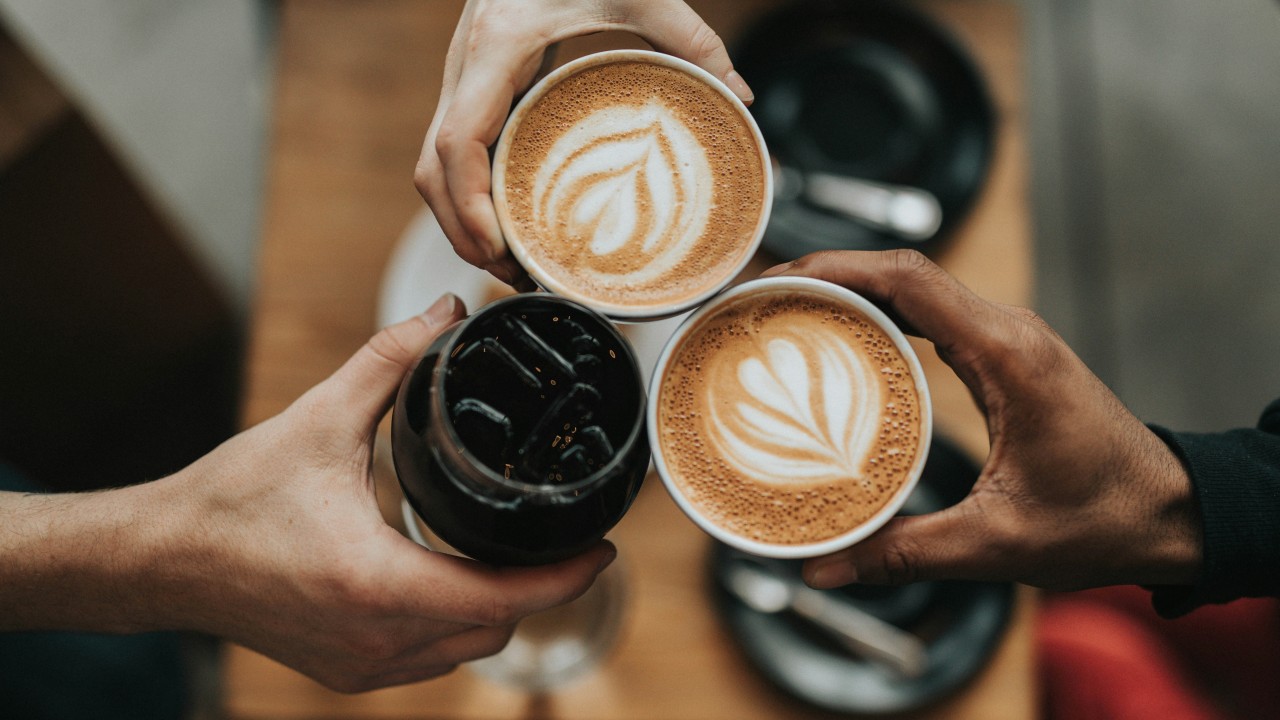
So if you find yourself in Fishtown and need a little pick-me-up, then it’s worth stopping by for a drip coffee or draft latte at La Colombe.